


Our graduate students are integral to the research we conduct, and they also are dedicated to making a difference in communities. Learn more about their research, outreach efforts, and other projects below.
News
Eight graduate students receive U.S. National Science Foundation fellowships
Eight Penn State graduate students, including two from EMS, received U.S. National Science Foundation (NSF) Graduate Research Fellowships for the 2025-26 academic year.

Penn State announces 2025 Lt. Michael P. Murphy Award recipient
Penn State graduate student Inori Hayashi, a Marine Corps veteran and linguist, is the recipient of the 2025 Lt. Michael P. Murphy Award.
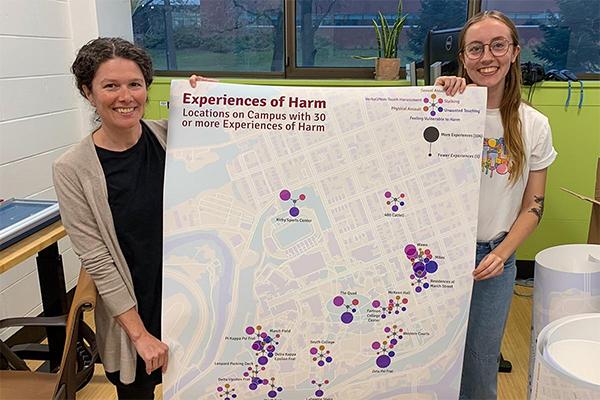
Penn State alumna, graduate student partner on campus safety mapping project
Dana Cuomo, an alumna of Penn State’s Department of Geography, collaborated with current Penn State geography graduate student Lily Houtman to use cartography to shed light on critical campus safety issues.
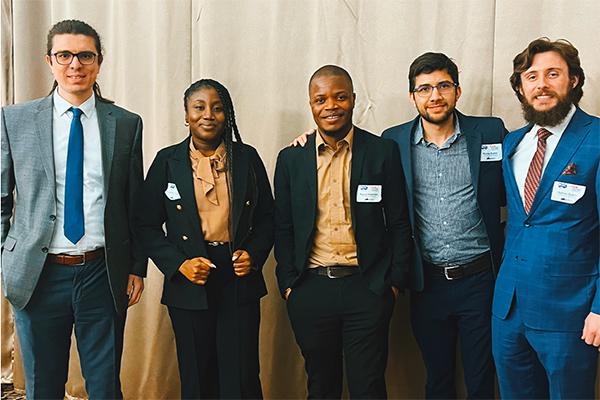
Thirteen energy and mineral engineering students receive scholarships and awards
Thirteen students from EME took home several awards and scholarships from the Society of Petroleum Engineers and the American Association of Drilling Engineers .
Penn State adds two new graduate certificates in energy and sustainability
Penn State is offering two new graduate certificates in its energy and sustainability portfolio that can help professionals seeking to play a role in the global shift towards sustainable energy solutions.
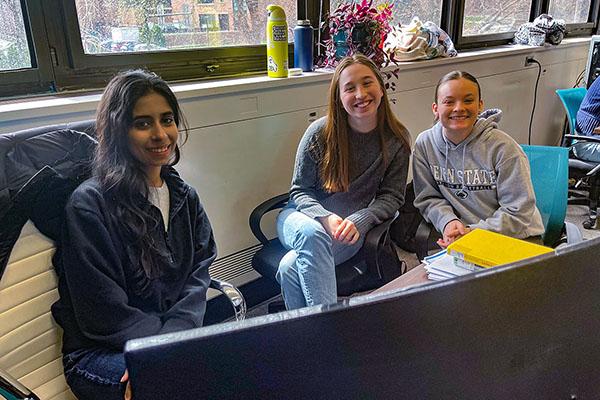
Graduate student mentorship helps undergraduates build research skills
When Harman Singh began graduate school at Penn State, she didn’t just bring research interests, she brought experience. As an undergraduate, Singh had participated in the Department of Geography’s Undergraduate Research Opportunities Connection (UROC) program, where graduate students mentor undergraduates through hands-on research. Now a doctoral student in geography, Singh has come full circle, serving as UROC’s graduate coordinator and continuing to mentor students herself.
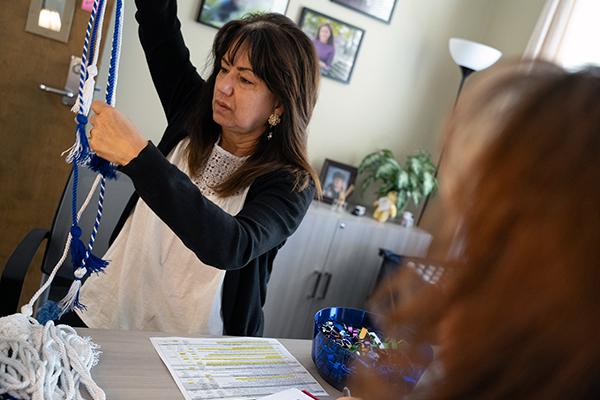
In photos: Setting the stage for Penn State's commencement ceremonies
Each semester, staff across Penn State's colleges pull off what seems like an impossible task: Host the perfect ceremony to cap off every student's journey toward a degree. But commencement ceremonies are an undertaking that can't happen overnight. It takes the dedicated work of commencement coordinators and college staff to plan, prepare for and execute the biggest annual event at University Park.
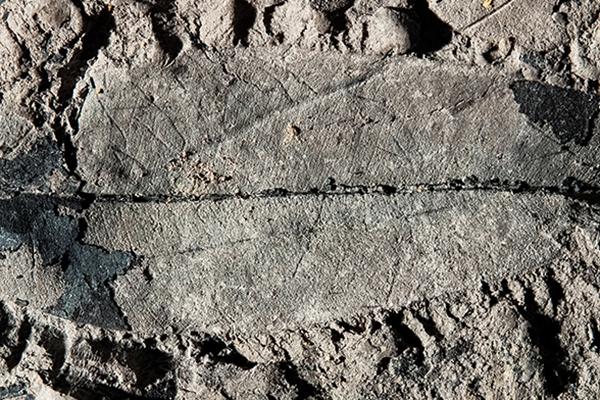
First fossil evidence of endangered tropical tree discovered
For the first time, scientists have discovered fossil evidence of an endangered, living tropical tree species. The unprecedented find was made in Brunei, a country on the large island of Borneo, and reveals a critical piece of the ancient history of Asia’s rainforests, highlighting the urgent need for conservation in the region, according to researchers at Penn State who led the discovery.
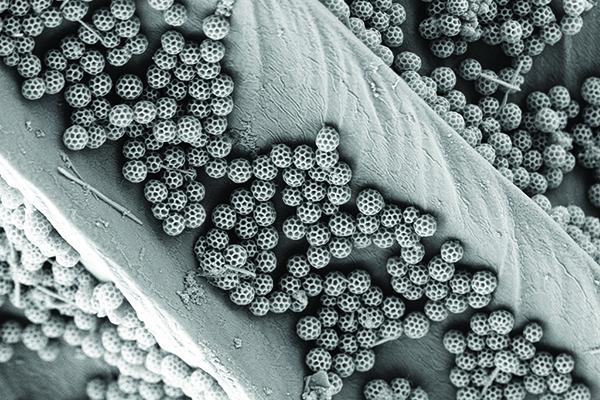
Winners announced for 17th annual Materials Visualization Competition
The winners of the 17th annual Materials Visualization Competition (MVC), a scientific visual and artistic competition sponsored by the Department of Materials Science and Engineering and the Materials Research Institute at Penn State, have been announced. MVC celebrates the quality of research in materials at Penn State and promotes awareness of materials science through visualization.

Geography Coffee Hour to feature Jessica Omukuti on inclusive Net Zero
The Penn State Department of Geography will conclude its spring 2025 Coffee Hour lecture series with a talk by Jessica Omukuti, senior research fellow at the University of Oxford’s Institute for Science, Innovation and Society and Oxford Net Zero.