


The College of Earth and Mineral Sciences is the home of five academic departments and has distinguished researchers, educators, staff, and students at the cutting edge of their disciplines. With our strengths in the earth, energy, and materials sciences and engineering, our college provides a comprehensive, quality education. We offer a range of major and minor degree and certificate programs at the baccalaureate, master’s, and doctoral levels. We invite you to explore our departments. Please visit the links below to learn more about department profiles, which contain contact information and links to department websites.

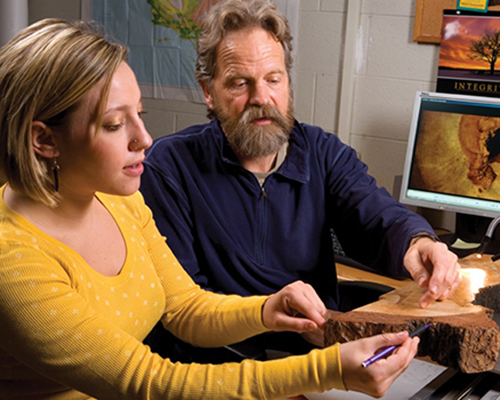 Overview: From cartography to political geographies to ecology to the human dimensions of climate change to new remote sensing techniques, researchers in the department are studying how humans and societies interact with the Earth and its changing landscape. Research in the department covers social, basic, and applied sciences and has four main foci: human geography, GIS, environment and society, and physical geography.
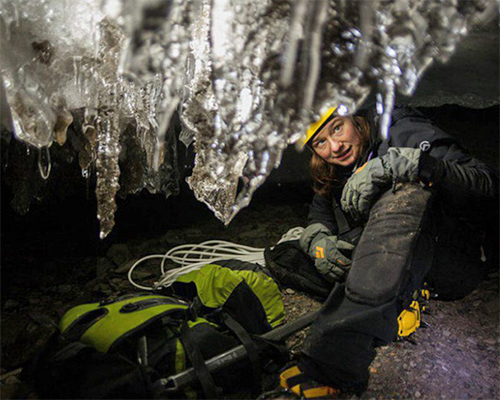 Overview: Climate change, energy and water resources, natural hazards, land surface processes, environmental remediation and planetary habitability — these pressing issues affect the well-being of our society. By developing and advancing a deep scientific understanding of these important issues, the department aims to improve our understanding of the dynamic and ever-changing world we call home. Ice, water, energy, climate, tectonics, and geomaterials are a few of the topics studied by researchers in the department.
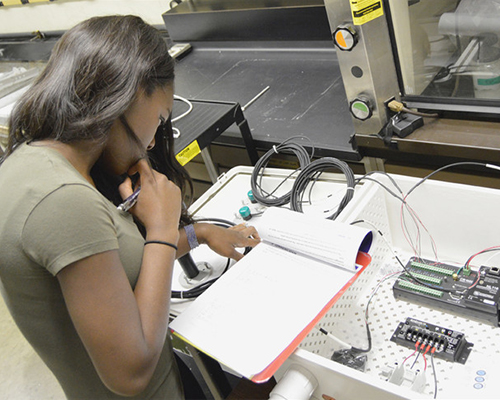 Overview: The future of the energy industry worldwide — from renewables to fossil fuels — is the focus of the department. Researchers focus on many aspects of the industry, from how resources are identified and harnessed to the economics of business and finance to risk management and safety. The department strives to help supply society with an affordable supply of energy and minerals, work to ensure human health and safety, and protect and maintain the quality of the environment. The numerous degrees offered address the effective production, conversion, use and management of energy.
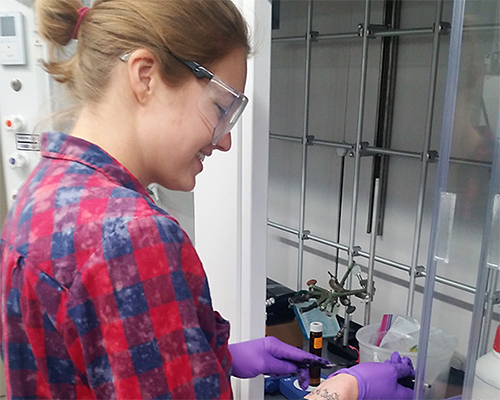 Overview: Our world is made of materials, and researchers in the department are furthering our understanding of how these materials work — and how we can use them more effectively. The interdisciplinary field draws on physics, biology, chemistry, mathematics, and computer science to pinpoint individual properties of materials at both the atomic level and the macroscopic level. Their research is helping to improve nuclear waste disposal, energy efficiency, new technologies such as 3D printing and 2D materials, and medicine.
 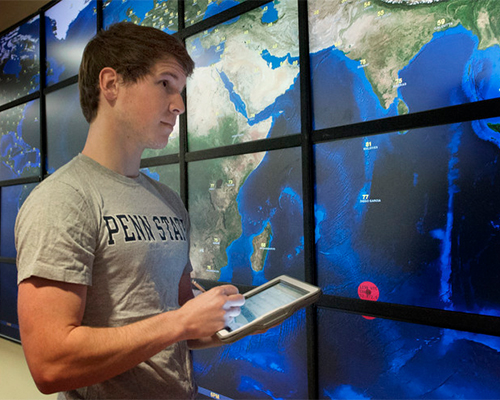 Overview: The weather and the atmosphere have a tremendous impact on business and industry, governments, and societies, and researchers in the Department of Meteorology and Atmospheric Science aim to better understand this dynamic set of systems. From modeling the intricacies of snowfall to understanding how tornadoes and hurricanes take shape to detailing the atmospheric chemistry of the rainforest, researchers cover the gamut of the interactions between the atmosphere and the land.