


Our graduate students are integral to the research we conduct, and they also are dedicated to making a difference in communities. Learn more about their research, outreach efforts, and other projects below.
News
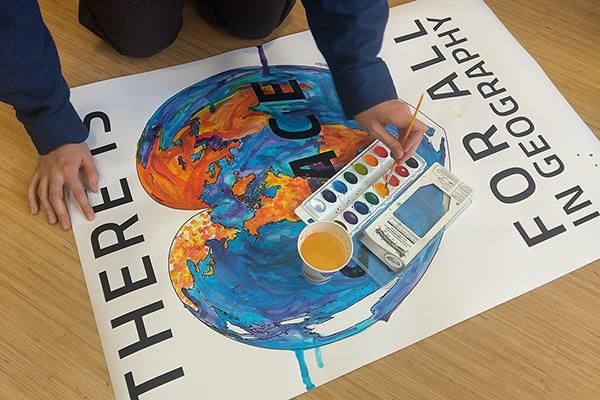
Penn State GeoGraphics Lab to host inaugural Community Mapping Day
The Penn State Department of Geography’s GeoGraphics Lab will host its first Community Mapping Day on Saturday, April 5, from 9 a.m. to 7 p.m. in the Walker Building at University Park. The event, free and open to the public, will kick off with an optional breakfast at 8 a.m. and bring together students, faculty and community members for a day of hands-on mapping, creative geospatial storytelling and collaborative problem-solving centered on sustainability and local climate action.
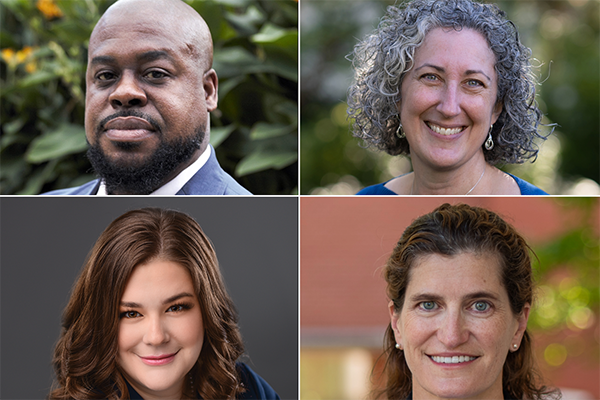
Three deans co-host research scholarship and land-grant impacts event March 24
Three Penn State deans are co-hosting an event focusing on role of the University as Pennsylvania’s land-grant institution, the similar role of U.S. land-grant universities and the impacts of scholarly research they produce.
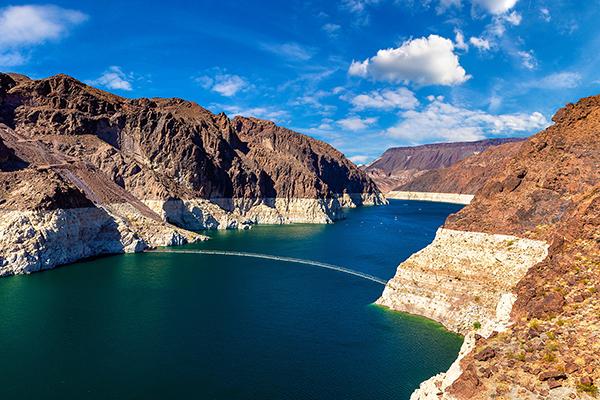
Q&A: Wading into the shrinking waters of the Colorado River
Key agreements in the “Law of the River,” which encompasses more than 100 years of regulations, laws, court decisions and more focused on managing the Colorado River, are set to expire next year. First established in 1922 as the Colorado River Compact, the guidelines split water management and allocation among seven states. Now, those states — Arizona, California, Colorado, Nevada, New Mexico, Utah and Wyoming — are renegotiating the terms of use for the water. Drought, increased temperatures and decreased snowpack in the Rocky Mountains are complicating the matter, according to Antonia Hadjimichael, assistant professor of geosciences at Penn State.
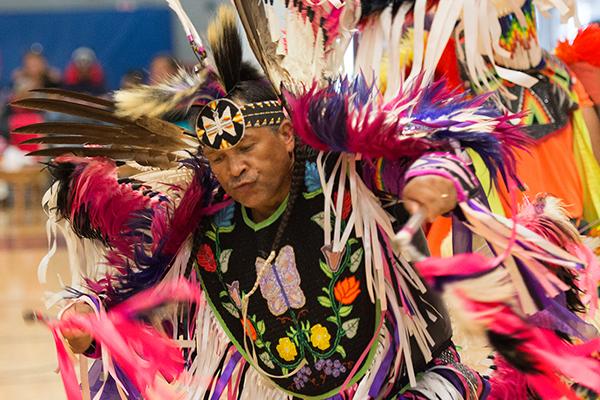
Traditional American Indian Powwow scheduled March 29-30 in State College
The 19th annual Penn State Traditional American Indian Powwow, a family friendly event that offers free admission, will be conducted March 29-30 at C3 Sports Complex, located at 200 Ellis Place in State College.

Stage set for final round of Three Minute Thesis competition on March 29
Graduate students at Penn State will put their communication skills to the test in the final round of the University’s second annual Three Minute Thesis (3MT) competition. The event, hosted by the J. Jeffrey and Ann Marie Fox Graduate School, is set for 3 p.m. on Saturday, March 29, and will be livestreamed from the Nittany Lion Inn. The competition is free and open to the public, but advance registration is required for both in-person and virtual attendance.
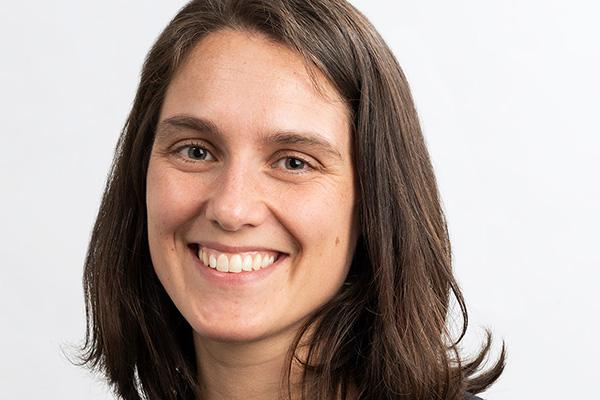
Geography Coffee Hour lecture to feature Sophie Webber on climate finance
The Penn State Department of Geography will host Sophie Webber, senior lecturer and Australian Research Council DECRA Research Fellow in Geography at the University of Sydney, as part of its spring 2025 Coffee Hour lecture series. Webber’s talk, "Climate Finance: Taking a Position on Climate Futures," will examine how climate change is increasingly understood and addressed through financial mechanisms.
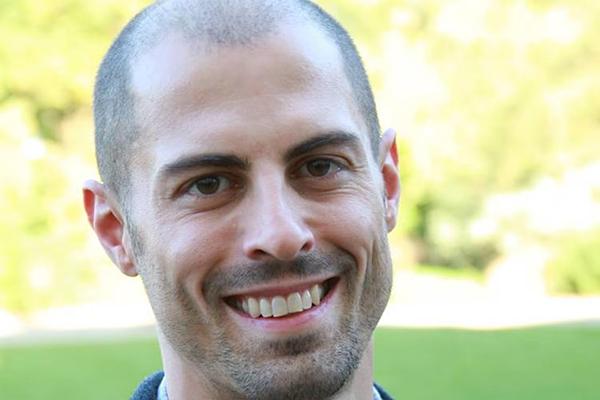
March 19 seminar to discuss hedging economic risks related to climate change
Ryan Lewis, assistant professor of finance in the Leeds School of Business at the University of Colorado at Boulder, will give the talk, “The Value of Climate Hedge Assets: Evidence from Australian Water Markets,” at noon on Wednesday, March 19, in 157 Hosler Building on the University Park campus.
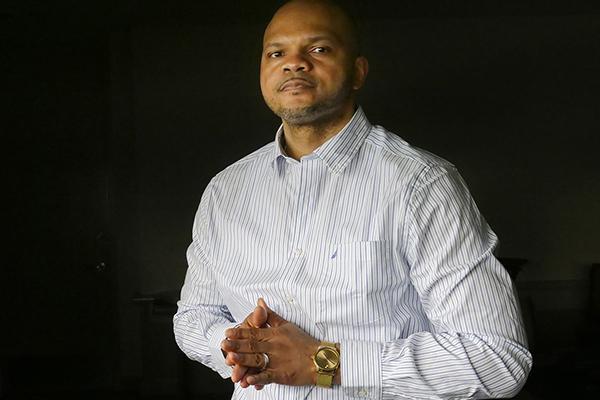
2025 Osaze Osagie Memorial Lecture brings Kevin Richardson to Penn State
Kevin Richardson, one of the wrongfully convicted and since-exonerated members of the “Central Park Five,” will participate in this year’s Osaze Osagie Memorial Lecture taking place at 6 p.m. on Tuesday March 25, in the HUB-Robeson Center’s Alumni Hall (Room 121). The event, which will also be streamed via Zoom, is free and open to the public; however, advance registration is required.
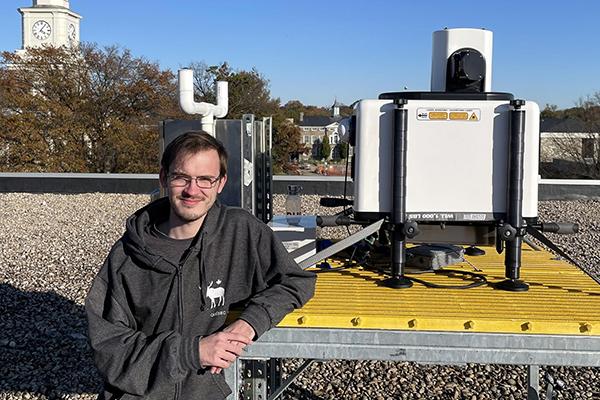
Earth and Mineral Sciences graduate fellow builds belonging safety net for peers
Just a few years ago, Nicholas Prince was an undergraduate student from Merkel, a small town in West Texas, majoring in mathematics at Texas Tech University. He said he started to think about graduate school for meteorology and atmospheric science but thought that doctoral degrees were something only people from wealthier backgrounds or larger academic hubs pursued.
2025 Shoemaker Lecture: Transforming energy systems to mitigate climate change
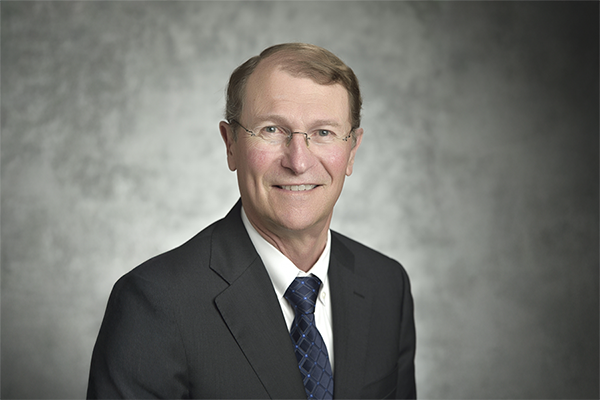
Franklin M. Orr, Jr., Keleen and Carlton Beal Professor Emeritus in the Department of Energy Science and Engineering at Stanford University, will give the 2025 G. Albert Shoemaker Lecture in Energy and Mineral Engineering at Penn State. His talk, “Transforming Global Energy Systems to Mitigate Climate Change,” will be held at 4:00 p.m. on Friday, April 11, in 22 Deike Building at Penn State University Park and online via Zoom. A reception will precede the lecture at 3:00 p.m. in the Earth and Mineral Sciences Museum & Art Gallery. The event is free and open to the public.