


Our graduate students are integral to the research we conduct, and they also are dedicated to making a difference in communities. Learn more about their research, outreach efforts, and other projects below.
News
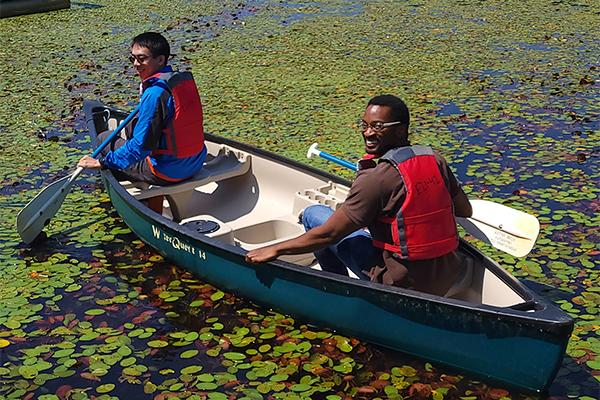
EMS graduate student network continues to improve experiences for peers
An effort that began three years ago in the Penn State College of Earth and Mineral Sciences (EMS) is helping to elevate the experiences of graduate students within the college.
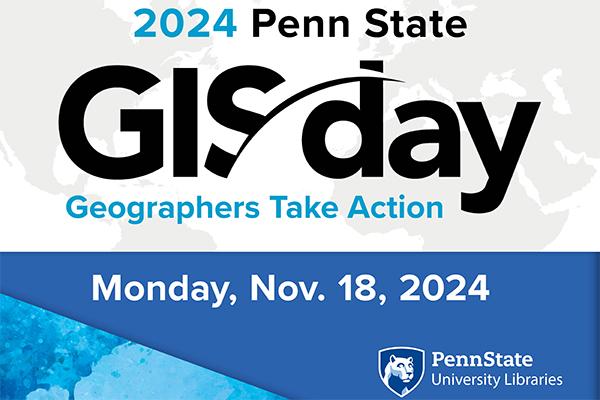
Penn State GIS Day activities focus on the theme “Geographers Take Action”
Penn State University Libraries will observe GIS Day — an annual event celebrating the technology of geographic information systems (GIS) — with sessions on Nov. 18 and a trivia event on Nov. 19.
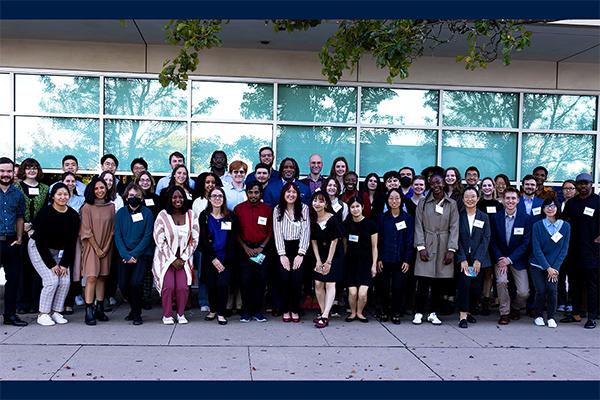
University fellowships awarded to 110 graduate students
The J. Jeffrey and Ann Marie Fox Graduate School at Penn State named 110 graduate students as recipients of the 2024-25 University Graduate Fellowships and Distinguished Graduate Fellowships.
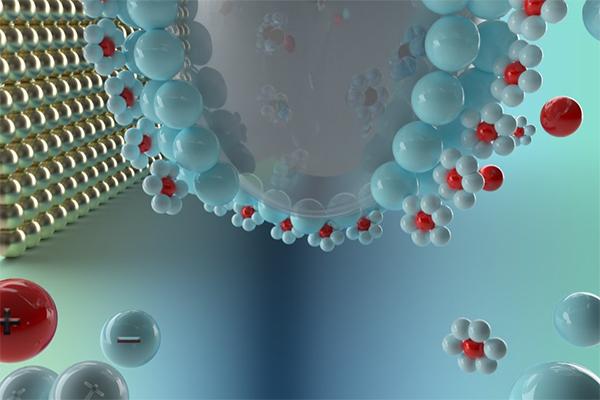
Revamping an old technique to see battery design in a new way
Batteries power everything from smartphones to electric vehicles. Penn State and industry researchers have developed a method, which could potentially reveal new ways to improve battery efficiency and lifespan.
NASA Pennsylvania Space Grant announces fellowship, scholarship winners for 2024
Seventeen graduate students from Penn State have been awarded research fellowships and six undergraduate students from the commonwealth have been awarded scholarships for 2024 from the Pennsylvania Space Grant Consortium (PSGC).
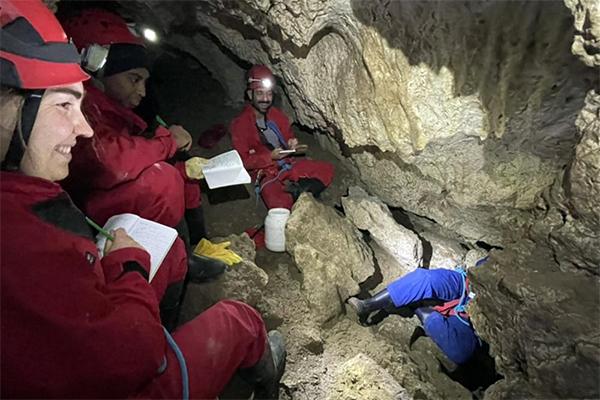
Grad students hone field, lab geobiology skills in global course
Department of Geosciences hosted International Geobiology Course, an immersive and interdisciplinary course that explores how microbial life and the Earth have shaped each other.
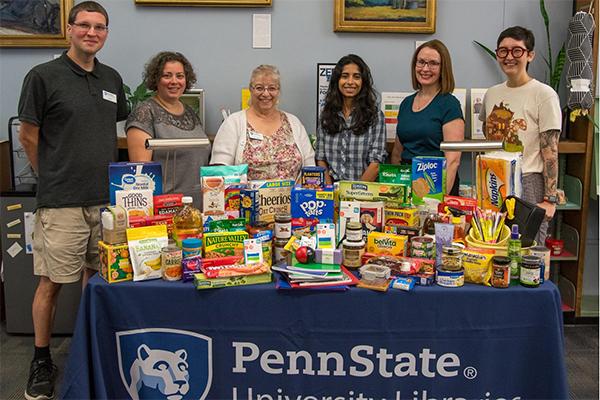
Earth and Mineral Sciences Library gathers supplies for incoming fall students
The College of Earth and Mineral Sciences (EMS) collectively gathered 487 items during the second annual “dodge the dumpster” event sponsored by the Fletcher L. Byrom EMS Library Food Pantry and the EMS Sustainability Council.
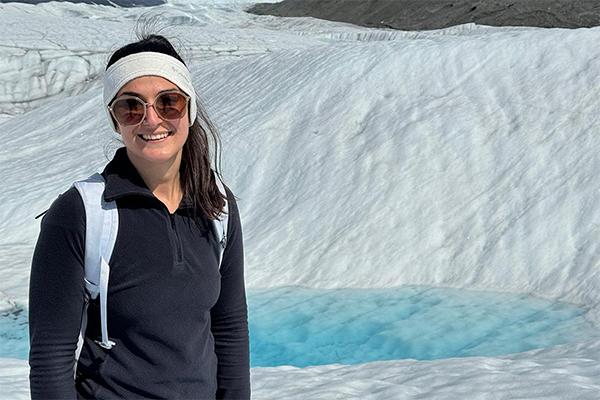
Geography student secures $150K NASA grant for ice sheet meltwater research
Mahsa Bahrami, a doctoral student in Penn State’s Department of Geography, has been awarded a NASA Future Investigators in NASA Earth and Space Science and Technology (FINESST) grant to fund her research on meltwater lakes at the surface of the Antarctic ice sheet.

EarthTalks: José Aponte to discuss meteorites and the origins of life
José Aponte an astrochemist at NASA’s Goddard Space Flight Center, will discuss the abundance and molecular distribution of amino acids, and other biologically relevant molecules extracted from meteorites, in a talk titled "Organic Astrochemistry 101: Meteorites, Origins of Life, and Sample-Return Missions" at 4 p.m. on Monday, Jan. 30.

Amanda Hendrix to discuss the use of UV spectroscopy in investigating icy worlds
Amanda Hendrix, a senior scientist at the Planetary Science Institute, will deliver the talk "Investigating Icy Worlds Using UV Spectroscopy" at 4 p.m. Monday, Jan. 23, in 112 Walker Building on Penn State's University Park campus.