


Our graduate students are integral to the research we conduct, and they also are dedicated to making a difference in communities. Learn more about their research, outreach efforts, and other projects below.
News
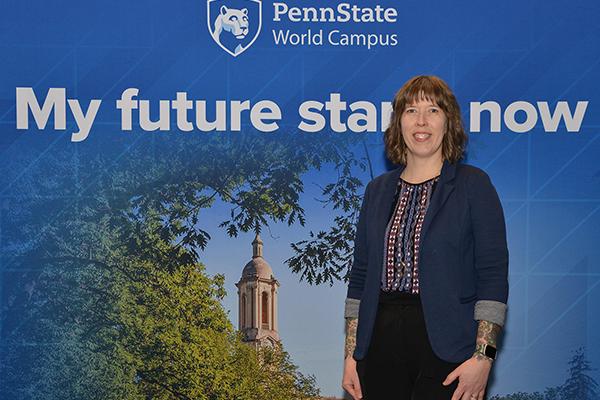
Online energy and sustainability policy degree programs changed this grad’s life
In 2012, Kelli Volkomer was a stay-at-home mom who had been raising her two children for nearly a decade. She valued the opportunity to spend time with them when they were young, she said, and had a passion for making the world a better place for them.

Seminar to discuss impact of revealing indoor air pollution on behavior, welfare
Sefi Roth, associate professor of environmental economics in the Department of Geography and Environment at the London School of Economics and Political Science, will give the talk, “Making the invisible visible: The impact of revealing indoor air pollution on behavior and welfare,” at noon on Wednesday, March 5, in 515 Welch Building on the University Park campus.
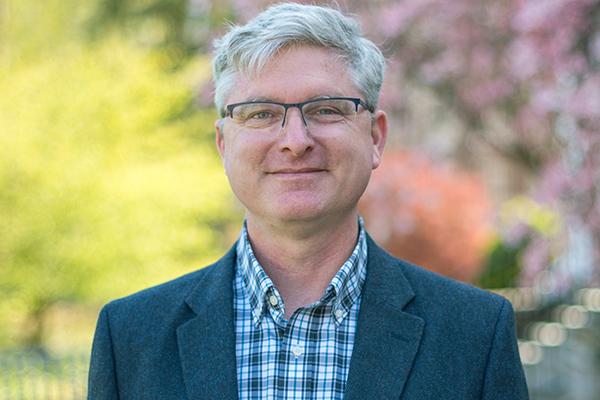
EarthTalks: Widga to discuss museums as partners in broader impact activities
Chris Widga, director or the Earth and Mineral Sciences’ Museum & Art Gallery and research professor of geosciences, will give the talk, “Museums as partners in broader impact activities,” at 4 p.m. on Monday, March 3, in 112 Walker Building at Penn State University Park. Widga's talk also will be available via Zoom.
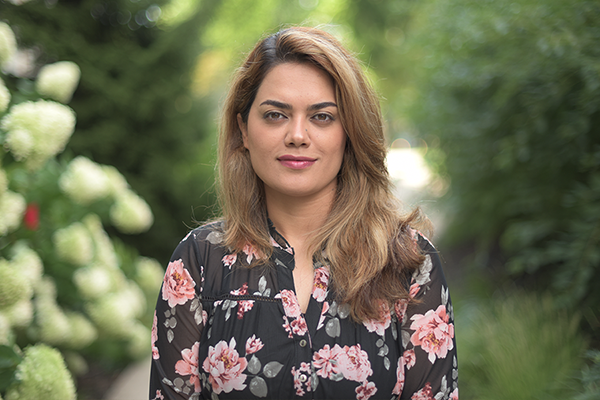
Elham Rahimi awarded the Raja V. and Geetha V. Ramani Graduate Students Award
Elham Rahimi, a graduate student in the John and Willie Leone Family Department of Energy and Mineral Engineering, will receive the Raja V. and Geetha V. Ramani Graduate Students Award from the Society for Mining, Metallurgy and Exploration (SME) at the society’s gala dinner during their annual conference, MINEXCHANGE, in Denver, Colorado on Sunday. February 23.
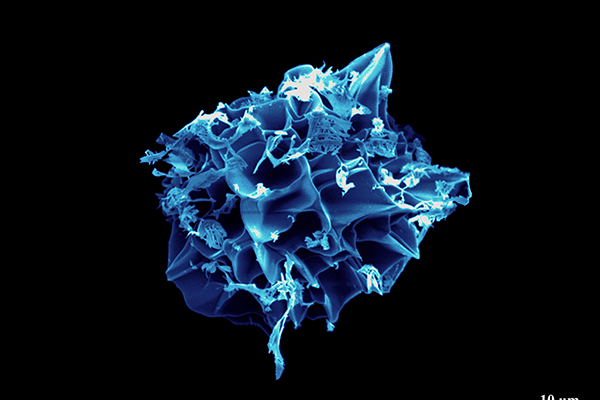
Now accepting submissions for annual Materials Visualization Competition
The 17th annual Materials Visualization Competition, an annual scientific and artistic visual competition sponsored by the Department of Materials Science and Engineering and the Materials Research Institute, is now accepting submissions through March 7.
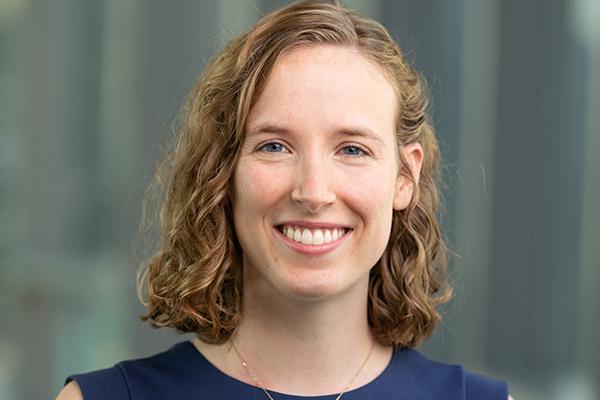
EEEPI Seminar: Lucy Page to discuss large-scale carbon labeling on Feb. 26
Lucy Page, assistant professor of economics at the University of Pittsburgh, will give the talk, “Got Beef with Beef? Evidence from a Large-Scale Carbon Labeling Experiment,” at noon. on Wednesday, Feb. 26, in 157 Hosler Building at Penn State University Park.
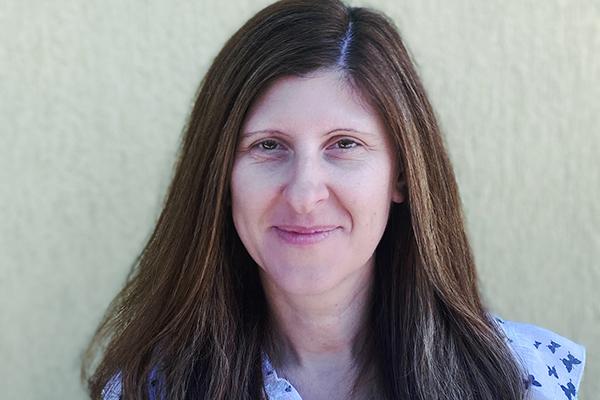
Feb. 24 EarthTalks: Cross-disciplinary collaboration employing stakeholder input
Camelia Kantor, associate director of strategic initiatives at the Huck Institutes of the Life Sciences and associate research professor at Penn State, will give the talk, “Bridging Worlds: How Geography and Nematology Research Converge Through Stakeholder Input,” at 4 p.m. on Monday, Feb. 24, in 112 Walker Building at Penn State University Park. Talk will also be available via Zoom.
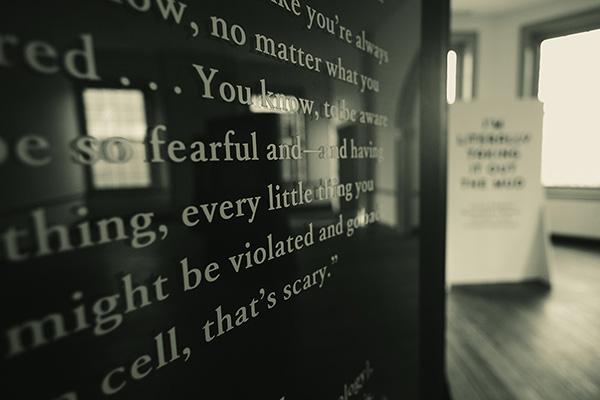
Coffee Hour lecture to examine COVID-19’s impact on Black women on probation
Felicia Henry, assistant professor of sociology at American University, will give the talk, "I Knew It Was COVID, I Knew I Was on Probation: Black Women Navigating Community Supervision During COVID-19," at the Department of Geography's spring 2025 Coffee Hour lecture series. Her talk will be held at 3:30 p.m. on Friday, Feb. 14, in 112 Walker Building on the University Park campus and via Zoom.
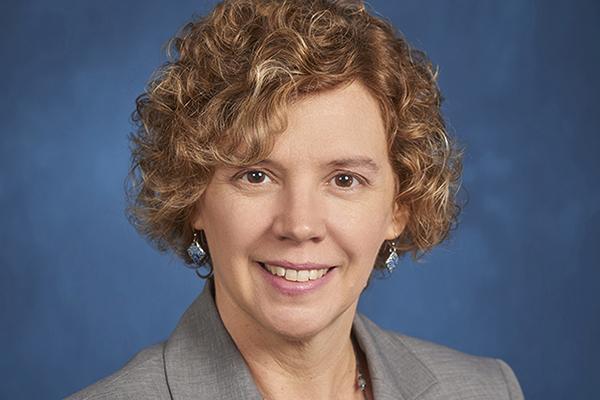
Feb. 17 EarthTalks: Translating STEM research to improve K-12 education
Kathleen Hill, director of the Center for Science and the Schools, and teaching professor of science education, will give the talk, “Center for Science and the Schools: Translating STEM Research to Improve K-12 Education,” at 4 p.m. on Monday, Feb. 17, in 112 Walker Building on the University Park campus. The talk also will be available via Zoom.
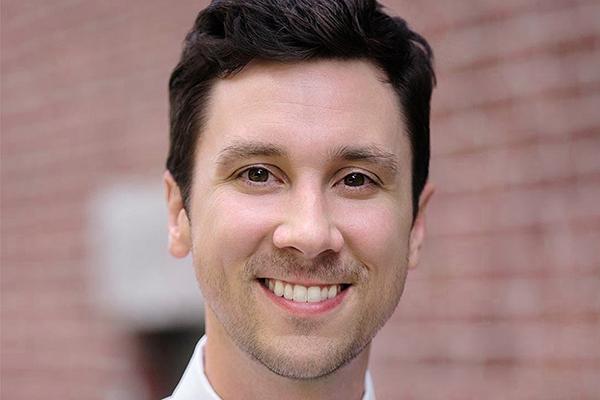
Seminar on flood insurance policies to be held Feb. 19
Steven Koller, postdoctoral fellow in climate and housing at Harvard University, will give the talk, “The Willingness to Pay for Vehicle Flood Insurance,” at noon on Wednesday, Feb. 19, in 157 Hosler Building on the University Park campus.