


Read the latest news about research conducted by investigators in the College of Earth and Mineral Sciences. Our faculty and students are continually advancing technology, creating solutions and expanding knowledge with new and innovative research.
News
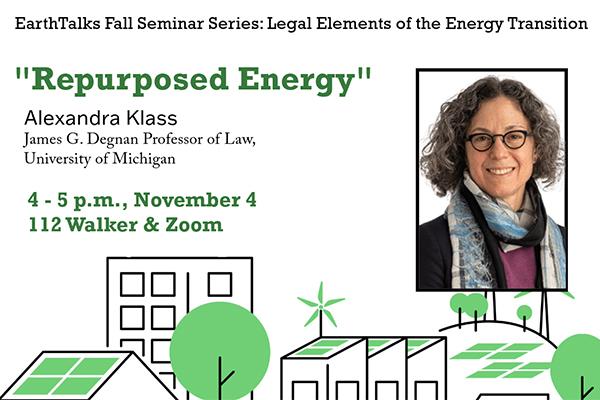
EarthTalks: Klass to discuss potential for ‘repurposed energy’ on Nov. 4
Alexandra Klass, the James G. Degnan Professor of Law at the University of Michigan, will give the talk, “Repurposed Energy,” at 4 p.m. on Monday, Nov. 4, in 112 Walker Building on the University Park campus.
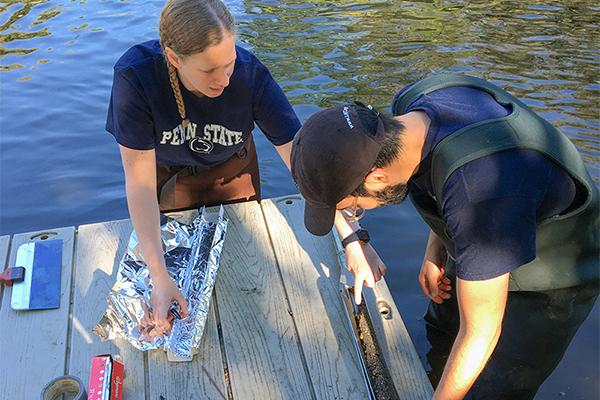
Microplastics increasing in freshwater, directly related to plastic production
Microplastics have been steadily increasing in freshwater environments for decades and are directly tied to rising global plastic production since the 1950s, according to a new study by an interdisciplinary team of Penn State researchers.

Nov. 6 EEEPI talk: Do dams and groundwater mitigate economic impact of drought?
Sheila Olmstead, professor at the Brooks School of Public Policy at Cornell University, will give the talk, “Do Dams and Groundwater Mitigate Drought’s Economic Impact?,” at noon on Wednesday, Nov. 6 , in 157 Hosler Building.
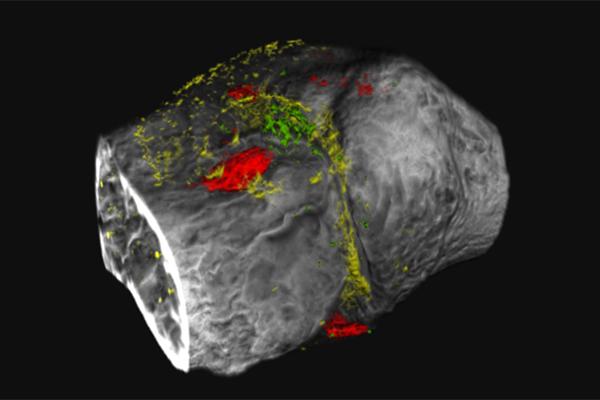
New technique allows technicolor imaging of degenerative joint disease
Researchers developed novel contrast agents that target two proteins implicated in osteoarthritis, a degenerative joint disease commonly characterized as wear-and-tear arthritis.

Cocoziello Institute of Real Estate Innovation announces seed grant awardees
Penn State’s Cocoziello Institute of Real Estate Innovation has awarded its inaugural seed grants. John Mauro and Seth Blumsack are among the recipients.
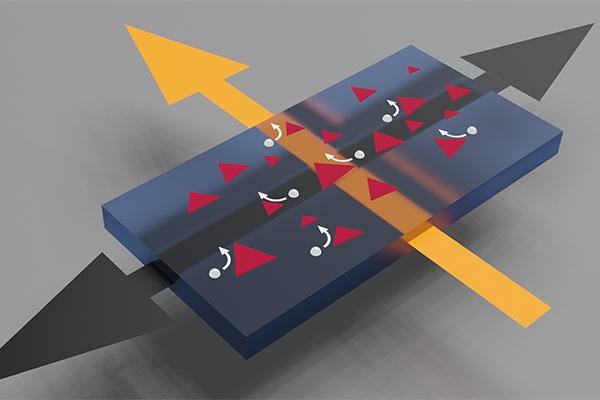
Room temperature electrical control could heat up future technology development
The Hall effect, has revealed some new tricks, which has potential implications for understanding fundamental physics of quantum materials and developing applied technologies such as quantum communication and harvesting energy via radio frequencies.
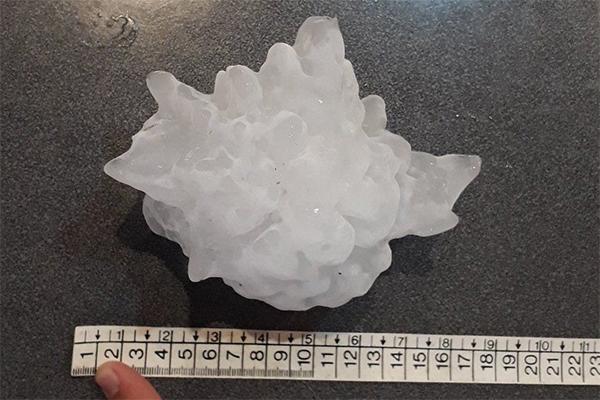
Lumpy, bumpy hail: Realistic hail shapes may improve modeling of severe weather
A new approach for modeling hailstorms that uses more realistic hailstone shapes could improve our understanding of hazardous weather, according to a team led by scientists at Penn State.
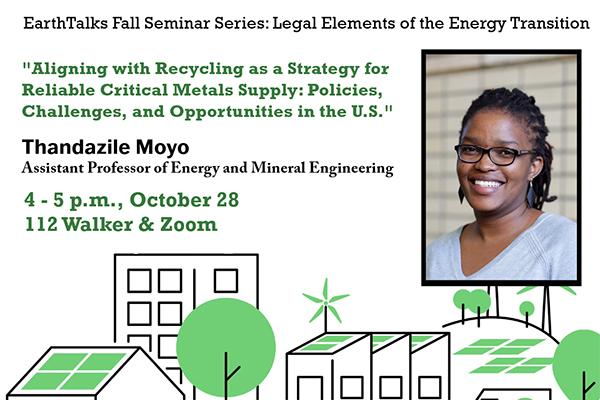
EarthTalks: Professor to discuss recycling as strategy for critical metals
Thandazile Moyo, assistant professor of energy and mineral engineering at Penn State, will give the talk, “Aligning with Recycling as a Strategy for Reliable Critical Metals Supply: Policies, Challenges, and Opportunities in the U.S.,” at 4 p.m. on Monday, Oct. 28, in 112 Walker Building on the University Park campus.
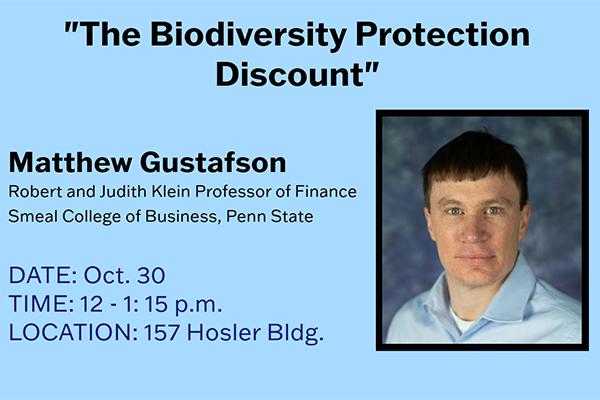
Gustafson to discuss biodiversity protection, land values on Oct. 30
Matthew Gustafson, Robert and Judith Klein Professor of Finance in the Smeal College of Business at Penn State, will give the talk, “The Biodiversity Protection Discount,” at noon on Wednesday, Oct. 30, in 157 Hosler Building on the University Park campus.
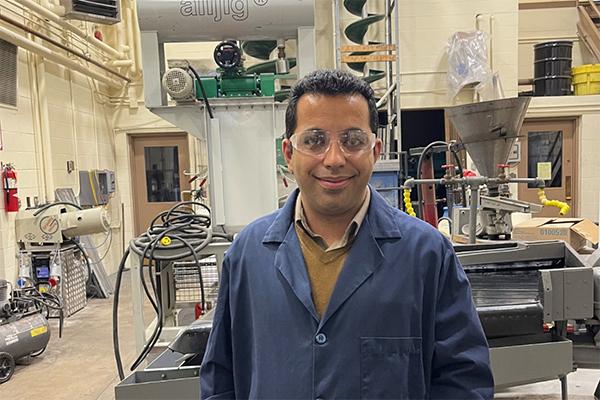
Penn State research-based startup tackles e-waste recycling challenges
Mohammad Rezaee and his team founded Intel-E-Waste, a startup offering a sustainable e-waste recycling process.