



Read the latest news about research conducted by investigators in the College of Earth and Mineral Sciences. Our faculty and students are continually advancing technology, creating solutions and expanding knowledge with new and innovative research.
News

Graduate student’s materials science research recognized by national society
Mingyu Yu, doctoral candidate in materials science and engineering at Penn State, recently received the Graduate Student Research Award from the professional society AVS: Science and Technology of Materials, Interfaces and Processing for innovative research in two-dimensional materials.

$1.23M NASA grant to support improving satellite weather forecasting with AI
Penn State researchers will use a grant from NASA to improve atmosphere and ocean forecasts by incorporating AI and satellite data into current forecasting models.
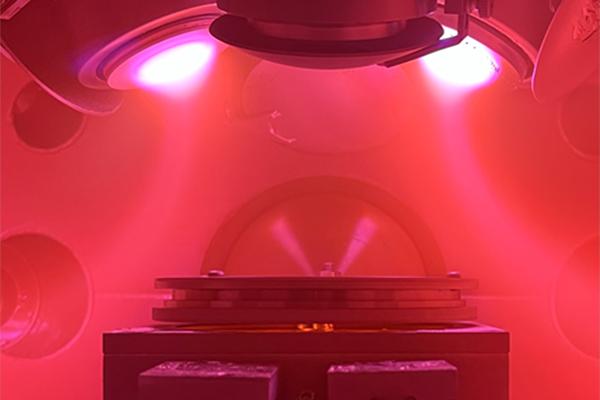
Proximity effect: Method allows advanced materials to gain new property
New discovery offers a new way to make ferroelectric materials without modifying their chemical formulation, which commonly degrades several useful properties.
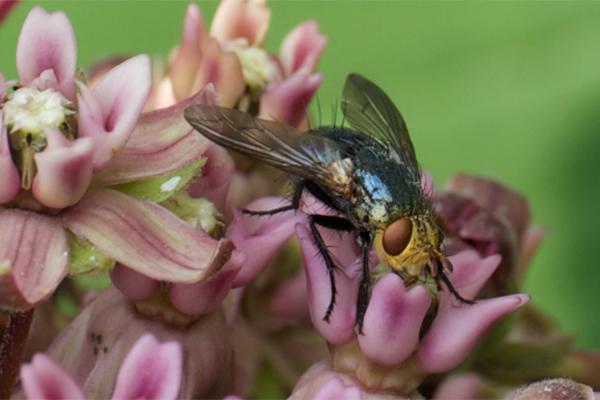
Pollinators most vulnerable to rising global temperatures are flies, study shows
Despite their reputation as buzzing nuisances, flies serve a critical role as some of the Earth’s most prolific pollinators — and new research led by Penn State scientists suggests they are increasingly at risk due to rising global temperatures.

$3M grant targets integrated semiconductor for smarter, greener electronics
The microelectronics industry is nearing a tipping point. The silicon chips at the heart of everyday electronic devices are running into performance limits, raising the need for new materials and technologies to continue making faster, more efficient devices.
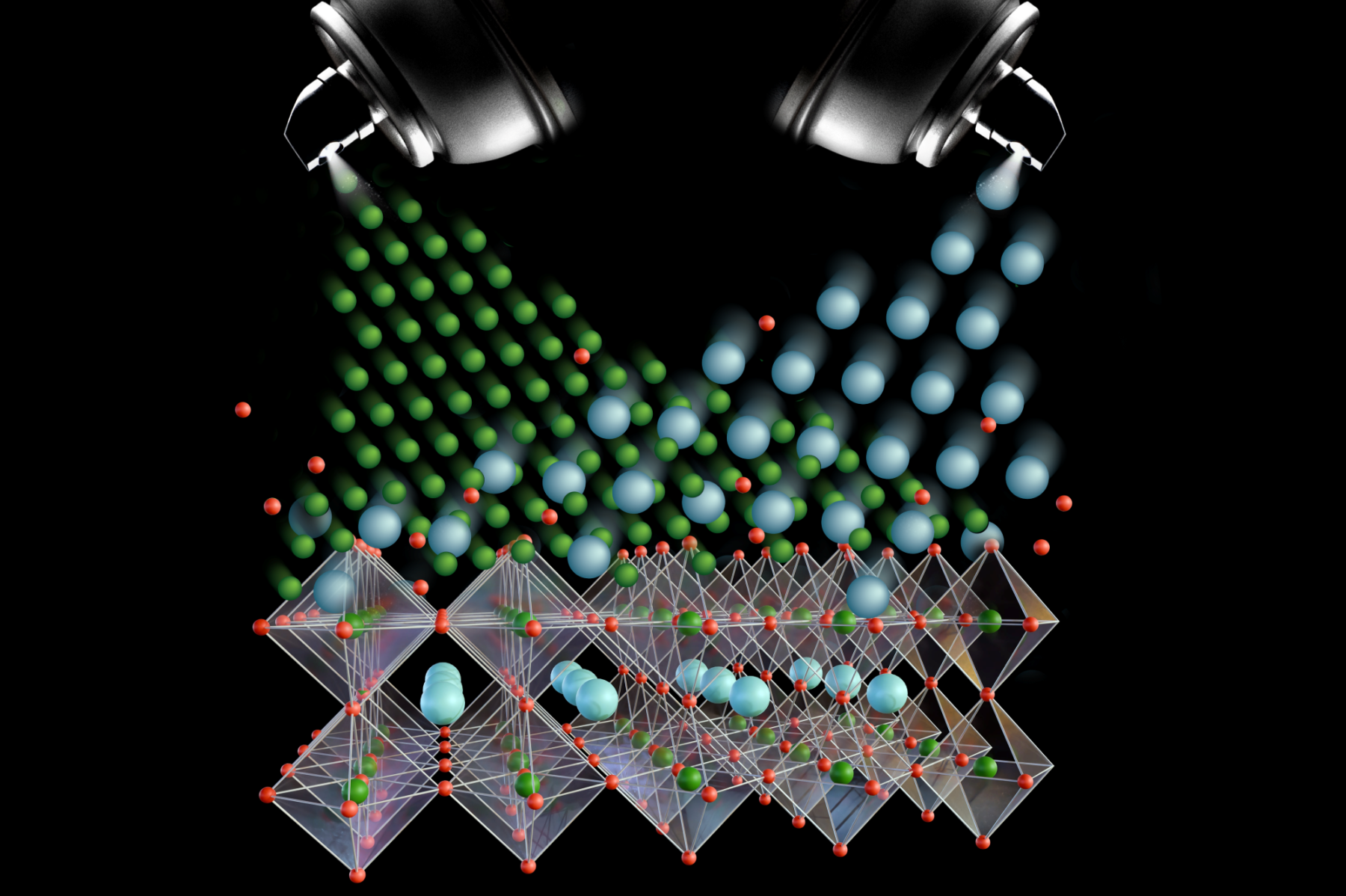
Straining a material’s atomic arrangement may make for cleaner, smarter devices
What’s the best way to precisely manipulate a material’s properties to the desired state? It may be straining the material’s atomic arrangement, according to a team led by researchers at Penn State.

Materials Research Institute names 2024 Roy Award winners
Six Penn State materials researchers have received the 2024 Rustum and Della Roy Innovation in Materials Research Award, recognizing a wide range of research with societal impact.

Q&A: What fossils reveal about ancient Australian forests and fire
Australia's forest ecosystems, renowned for their extraordinary diversity of rare plants and animals, also play a vital role in mitigating climate change by absorbing and storing carbon.
Session proposals for 2025 Climate Solutions Symposium now being accepted
The Penn State Climate Consortium has announced a call for breakout sessions for the 2025 Climate Solutions Symposium, taking place May 19-20, 2025, at the Penn Stater Hotel and Conference Center.

New approach improves models of atmosphere on early Earth, exo-planets
A new approach for modeling solar radiation may improve our understanding of the atmosphere on early Earth and help in the search for habitable conditions on planets beyond our solar system.