


Sustainability is a strategic initiative in the College of Earth and Mineral Sciences. Below are the most current stories showcasing our college's sustainability efforts.
Subscribe to the Sustainability News listsesrv
New subscribers can join by sending mail to: L-EMS-SUSTAINABILITY-COUNCIL-NEWS-subscribe-request@lists.psu.edu

News
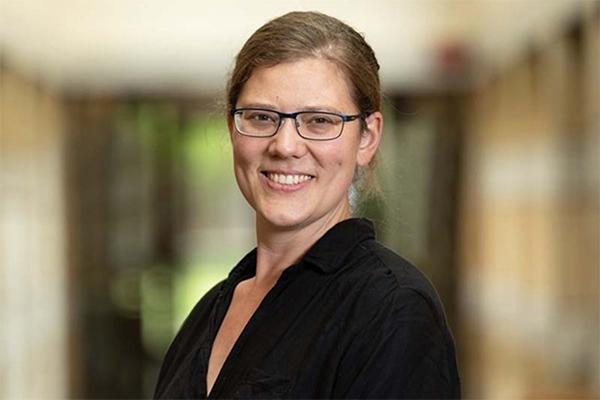
EarthTalks: Support for deploying new technologies for clean energy systems
Emily Grubert, associate professor of sustainable energy policy at Notre Dame, will give the talk, “Public Support for Energy and Climate Technology Deployment,” at 4 p.m. on Monday, April 14, via Zoom.
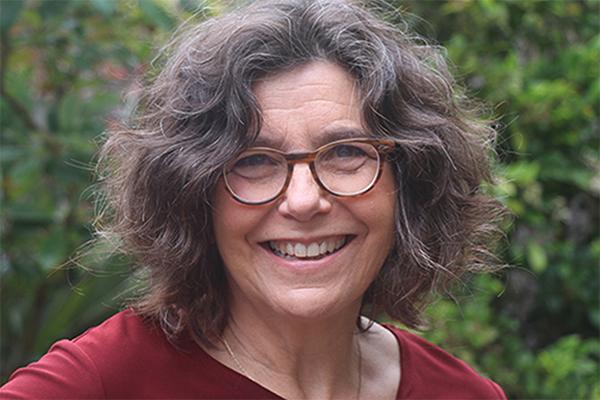
Susan Freinkel talk: 'How Did We Get Hooked on Plastic?' on April 14
Award-winning author and journalist Susan Freinkel will give the virtual talk “How Did We Get Hooked on Plastic?” at 2:30 p.m. on Monday, April 14. It will be streamed in Foster Auditorium of Paterno Library and available on Zoom.
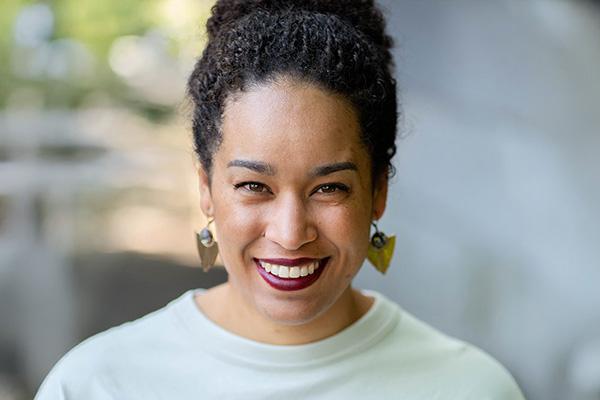
Climate justice researcher, author to speak at April Climate Conversation Café
The April Climate Conversations Café will host Brianna Craft, a climate justice researcher and author, for a discussion on diplomacy, climate-change negotiations and storytelling.
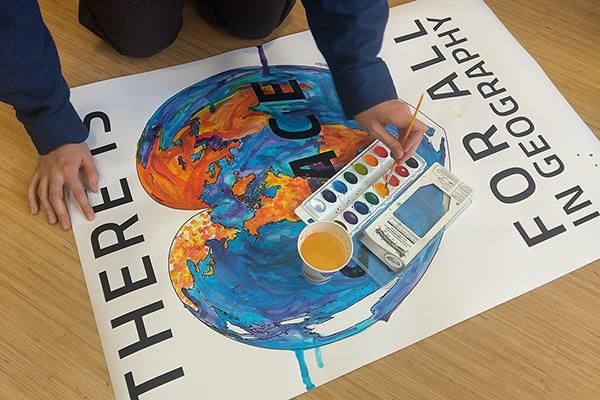
Penn State GeoGraphics Lab to host inaugural Community Mapping Day
The Penn State Department of Geography’s GeoGraphics Lab will host its first Community Mapping Day on Saturday, April 5, from 9 a.m. to 7 p.m. in the Walker Building at University Park. The event, free and open to the public, will kick off with an optional breakfast at 8 a.m. and bring together students, faculty and community members for a day of hands-on mapping, creative geospatial storytelling and collaborative problem-solving centered on sustainability and local climate action.
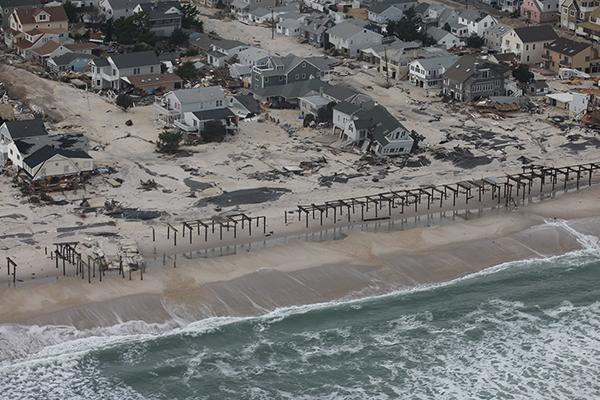
Framework to help scientists choose impactful place-based research locations
Faced with more extreme weather events, communities may need to adapt to heightened risks from sea-level rise, flooding or wildfires. And while scientific research can help inform adaptations, the process requires an alignment of academic resources and real-world needs and partnerships that can be challenging for scientists to navigate.
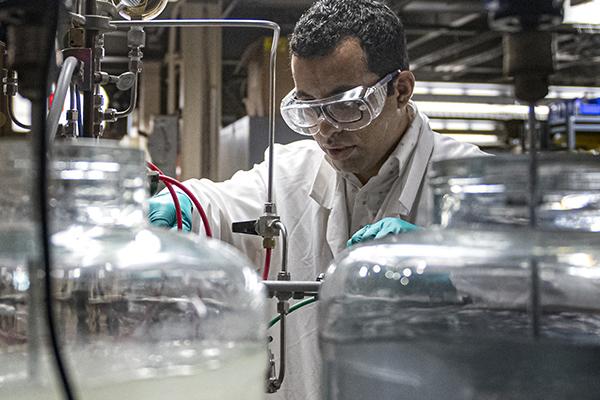
Earth and Mineral Sciences has strong participation in Sustainable Labs Program
Eleven research labs in the College of Earth and Mineral Sciences (EMS) have earned My Green Lab certifications at one of the three highest levels available: gold, platinum or green. EMS My Green Lab certified labs represent 27.8% of the labs certified on the University Park campus and 25% of the labs certified on all campuses. The college also has seven additional labs enrolled in the certification program.
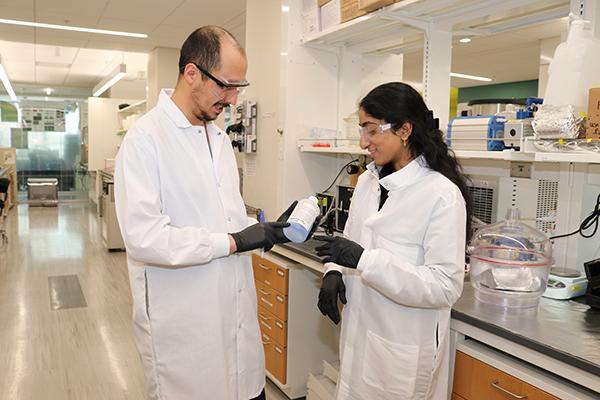
Sustainable Labs Program increases participant engagement, welcomes new labs
Penn State’s Sustainable Labs Program ushers participating labs through a yearlong certification process, guiding them in implementing sustainable practices across multiple domains, including energy efficiency, waste reduction, water conservation, green chemistry and sustainable purchasing. The program will host a virtual information session from 9:30 to 10:30 a.m. on Tuesday, Feb. 18, and from 11 a.m. to noon on Friday, Feb. 21, for those interested in learning more or applying for the next cohort.
Penn State Climate Consortium marks year one of advancing climate action
In December 2023, the University launched the Penn State Climate Consortium. Its mission is to meet the mounting challenges related to climate change by identifying, creating and implementing research-based climate solutions. In its first year, the consortium has provided resources, fostered collaborations and created opportunities to advance climate research and solutions.
Session proposals for 2025 Climate Solutions Symposium now being accepted
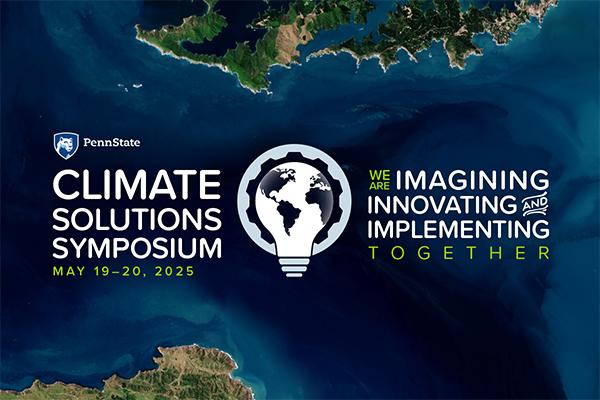
The Penn State Climate Consortium has announced a call for breakout sessions for the 2025 Climate Solutions Symposium, taking place May 19-20, 2025, at the Penn Stater Hotel and Conference Center.
EarthTalks: Chief sustainability officer to discuss decarbonizing the University
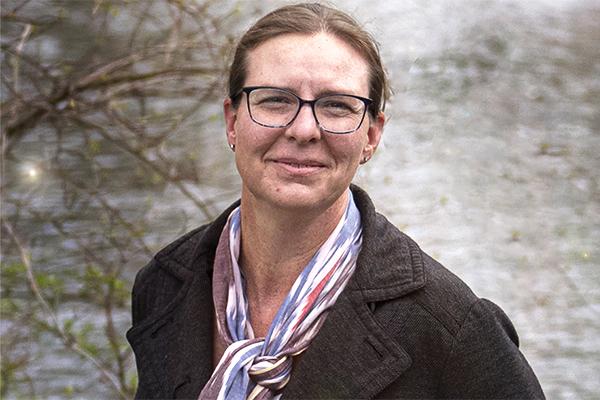
Lara Fowler, chief sustainability officer at Penn State, director of Penn State Sustainability, will give the talk, “Decarbonizing Penn State: How Does Law, Policy, and Financing Fit In?”